
E-commerce SEO That Also Drives Sales
By Emma Pugsley, Co-founder ·
E-commerce SEO should do more than bring traffic. The best SEO for SMB stores brings the right visitors to pages that are ready to convert.
That’s the point of this guide: to show how to grow organic visibility without creating a site that ranks well but still struggles to sell.
Why SEO and sales should work together
A lot of e-commerce SEO advice still treats traffic and conversion like separate jobs. In practice, they’re connected: if the page doesn’t explain the offer clearly or guide the buyer well, the traffic doesn’t turn into revenue.
This matters most for SMBs because they don’t have room for wasted effort. Ranking for broad terms that bring the wrong visitors is usually less useful than ranking for buyer-intent terms that can actually lead to orders.
1. Start with buyer intent
The best ecommerce SEO starts with search intent. If the visitor is looking to browse, learn, compare, or buy, the page should match that intent instead of trying to do everything at once.
Buyer-intent keywords usually convert better because they attract people who are closer to a decision. That’s why guides, category pages, listing pages, and product pages should each serve a specific stage of the journey.
✅ What to focus on:
- Product keywords for product pages
- Category keywords for collection pages
- Informational keywords for guides that support the buying path.
2. Make product pages do more
Product pages are often the easiest place to improve both SEO and sales at the same time. They need unique titles, useful descriptions, strong imagery, structured data, and enough detail to help the shopper decide.
If product pages are copied or vague, they may struggle to rank and convert. Search engines need clarity, and shoppers do too.
✅ A strong product page usually includes:
- Unique product copy
- Clear pricing and availability
- Real images or video
- Reviews and trust signals
- A simple next step to buy.
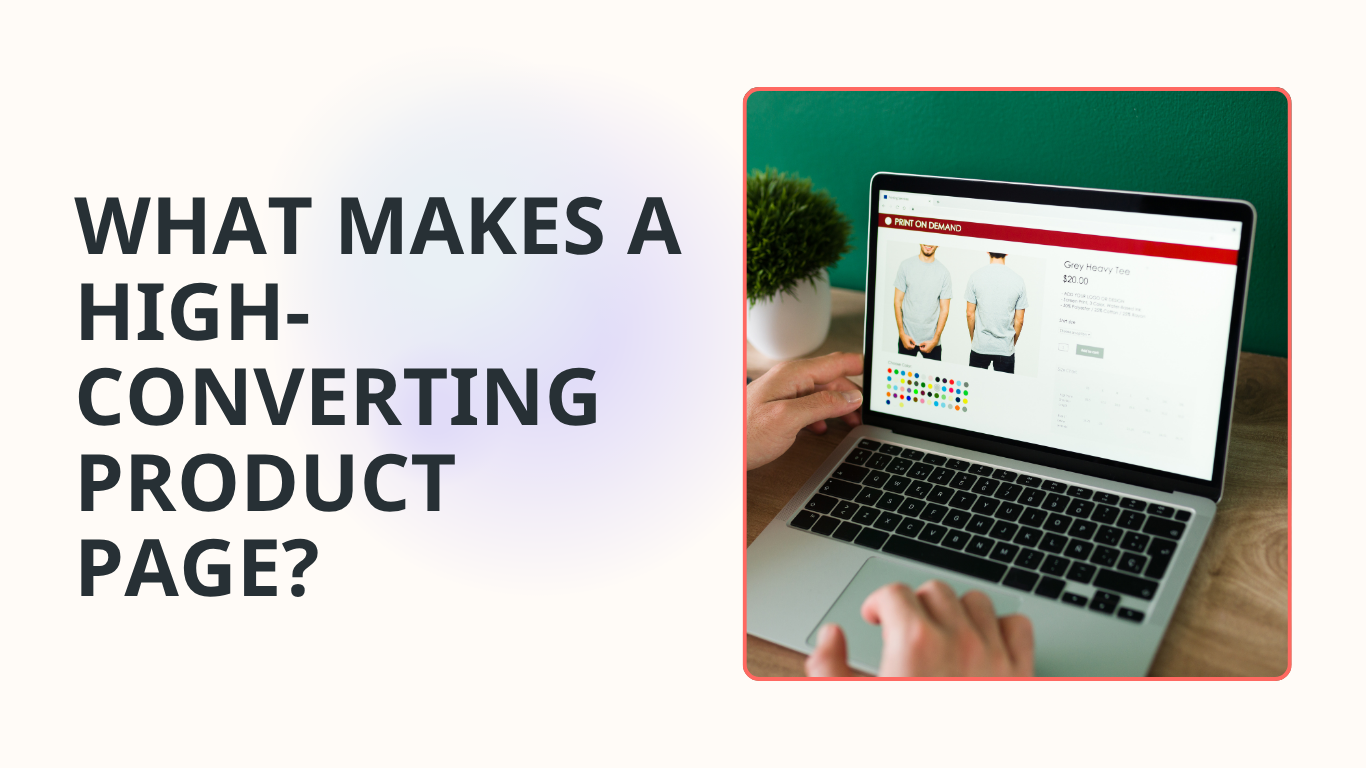
For a deeper look at page-level conversion, read What Makes a High-Converting Product Page?
3. Don’t ignore category pages
Category pages are a big missed opportunity in e-commerce SEO. They often attract broad searches, help users browse, and support internal links to the most important products.
A strong category page isn’t just a grid of products. It gives context, helps the shopper understand the range, keeps the shopper on the site longer, and makes it easier for search engines to understand what the page is about.
✅ What improves category pages:
- A short intro that explains the category
- Helpful internal links
- Clean filtering and sorting
- Unique content that adds context.
4. Use internal links with purpose
Internal links help search engines crawl the site and help shoppers move toward buying pages. Google says crawlable links help it find pages and understand them, and link best practices emphasize descriptive anchor text and sensible link structure.
For e-commerce, that means blog posts shouldn’t sit alone. They should point to relevant product, category, comparison pages, and other blog articles that can turn reading into action.
✅ What to do:
- Link from guides to related products
- Link from category pages to important subcategories
- Use descriptive anchor text, not generic phrases.
5. Write content that supports purchase decisions
SEO content should help a shopper get closer to a decision. That means buying guides, comparison pages, FAQ posts, and practical explainers usually work better than generic blog content.
This is where many stores get it wrong. They publish content for search volume, but not for buying confidence.
✅ Good supporting content often answers:
- Which product is right for me?
- What’s the difference between these options?
- How do I choose between categories?
- What should I know before I buy?
6. Improve speed and mobile experience
Technical SEO affects both ranking and conversion. Fast pages, clean URLs, mobile-friendly layouts, and solid Core Web Vitals all help the site feel easier to use and easier to crawl.
If the site loads slowly or breaks on mobile, organic traffic becomes less valuable because people leave before they ever get to the offer.
✅ What to check first:
- Page speed
- Mobile layout
- Canonicals
- XML sitemap and robots.txt
- Broken links or crawl errors.
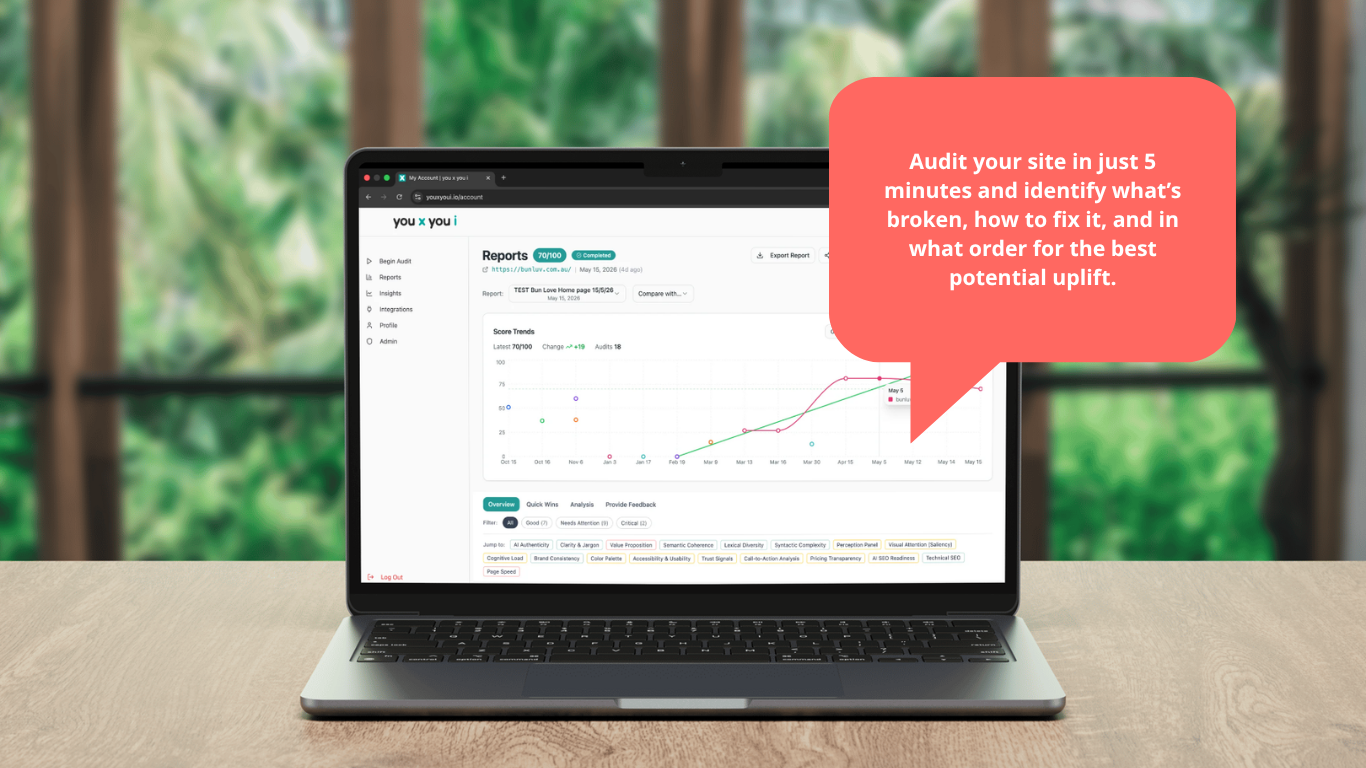
An audit from us can help you identify issues and fixes for all of those things. We provide this in the Technical SEO audit module.
7. Use structured data where it helps
Structured data helps search engines understand product details more clearly. For e-commerce stores, this can support richer search results and make product information easier to interpret.
The main goal is not to add schema everywhere. It’s to use it on the pages that matter most, so search engines can read the page more accurately.
✅ Useful places for schema include:
- Product pages
- Review sections
- FAQs
- Organization and article pages.
8. Build trust into every page
Google and e-commerce best-practice guides keep pointing to trust, originality, and usefulness as key parts of modern SEO. In e-commerce, that means the page should look credible enough to earn both clicks and purchases.
Reviews, transparent policies, original copy, and clear business information all help. They support rankings indirectly by improving the behavior that follows the click.
9. Don’t separate SEO from CRO
The best e-commerce SEO is conversion-aware. If a page brings traffic but doesn’t guide the visitor toward a next step, the site is winning the search result and losing the sale.
That’s why SEO and CRO should share the same goal: making the right page easier to find and easier to use. The search term gets the visitor there, and the page has to do the rest.
10. Audit the money pages first
The fastest way to improve e-commerce SEO is to start with the pages that matter most: top product pages, top category pages, and the most useful support content. Those are usually the pages most likely to influence revenue.
That’s also where an audit helps. It shows whether the problem is the keyword targeting, the page structure, the trust signals, or the technical setup.
With you x you i, you can identify the page-level issues that stop organic traffic from becoming sales, then prioritising the fixes in plain language.
What to do first
If you want SEO that drives sales, start with this order:
- Fix your top product pages
- Improve the strongest category pages
- Add internal links from guides to money pages
- Make the site faster and easier on mobile
- Use schema where it supports clarity
- Publish helpful content for buyer intent.
That sequence keeps the work tied to revenue instead of vanity metrics. It also fits the way SMB teams actually need to work: small changes, clear priorities, and results that can be explained without jargon.
Final takeaway
E-commerce SEO that drives sales isn’t about choosing between rankings and revenue. It’s about building pages that can do both.
If the SEO plan makes the site easier to find, and the CRO plan makes the site easier to trust and easier to buy from, it’s doing the right job.