SEO Conversion Rate Optimization Checklist
By Emma Pugsley, Co-founder ·

Turn Rankings Into Revenue
Ranking on page one feels like winning, but if those visitors land, look around, and leave without buying, your SEO is just an expensive way to inflate traffic numbers. SEO conversion rate optimization is where the two disciplines meet: you bring in the right people and make it effortless for them to act.
For SMB e-commerce stores, this overlap is the highest-leverage place to work. You don’t need more traffic to grow; you need the traffic you already earn to convert. Here’s a practical checklist to make that happen.
1. Match the page to the search intent
Every ranking keyword carries an intent. Someone searching “best running shoes for flat feet” wants guidance; someone searching “Brooks Adrenaline GTS 23 size 9” wants to buy. Route informational queries to guides and category pages, and transactional queries straight to product pages. When the page mirrors the query, bounce rates fall and conversions climb.
✅ Quick check: pull your top 10 landing pages from search. Does each one let the visitor do what they came to do within one scroll?
2. Make your title and meta description honest pre-qualifiers
Your search snippet is the first conversion event. Clickbait titles win the click, but lose the sale because the page doesn’t deliver. Use titles and meta descriptions that accurately preview the page, and add schema so prices and star ratings appear in results. This pre-qualifies shoppers before they ever land.
3. Fix Core Web Vitals on your money pages
Speed is both a ranking signal and a conversion lever. Aim for:
- LCP of 2.5 seconds or less
- INP of 200ms or less
- CLS of 0.1 or less.
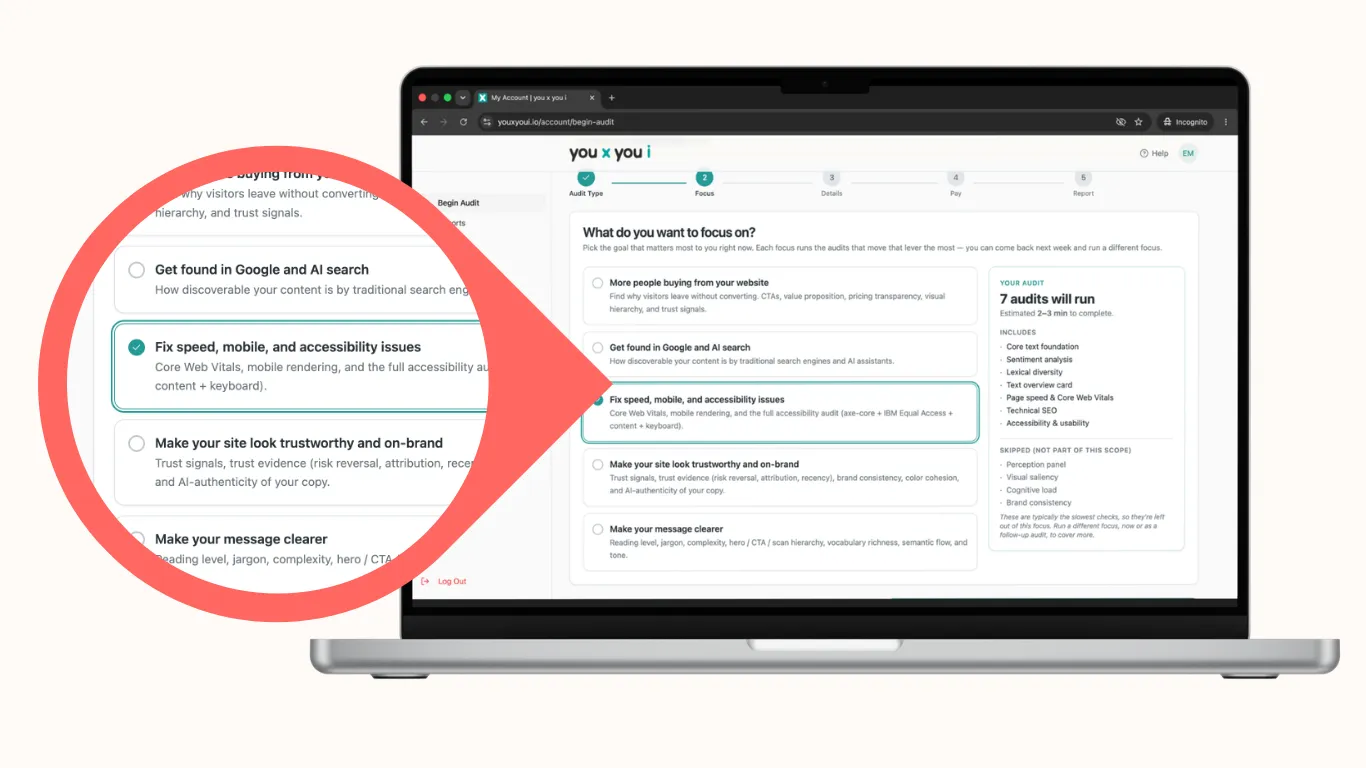
Run a you x you i audit on your top product and category pages, and remove or improve the biggest LCP offender first (usually an oversized hero image).
👉🏻 Start your audit (when prompted to choose your focus, select “Fix speed, mobile, and accessibility issues”).
4. Optimize category pages to help shoppers self-select
Category (collection) pages are often your strongest organic landing pages, yet they’re treated as afterthoughts. Give them filters that make sense, product cards that reduce uncertainty, and visible shipping and returns context so visitors can decide fast. Label navigation with terms people actually search, “Cocktail Dresses,” not a generic “Clothing” tab.
5. Turn product pages into objection-handlers
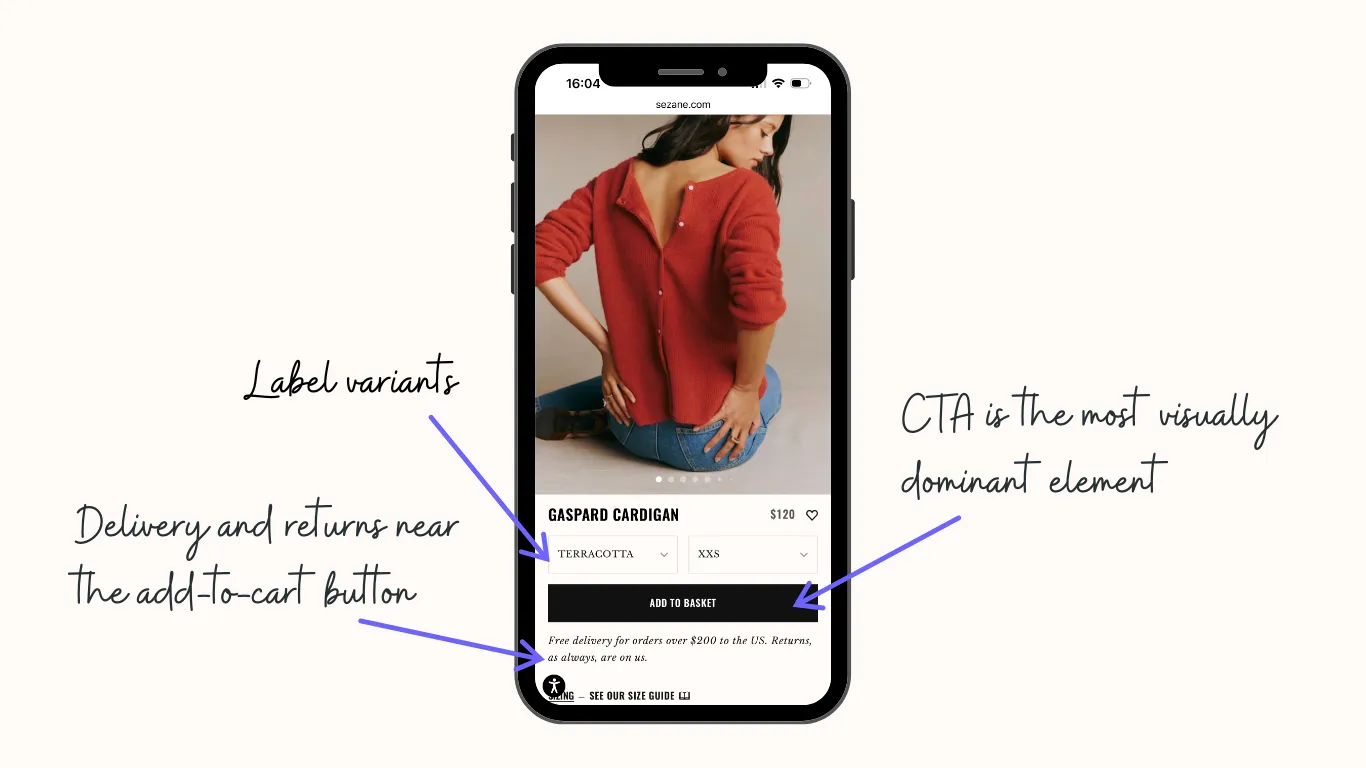
Product pages are where intent becomes purchase. Optimize them for product-specific queries (include brand, series, model, and SKU) and serve compressed images with descriptive file names and alt text. Then handle conversion: put delivery and returns near the add-to-cart button, label variants so they’re impossible to mess up, and make the CTA the most visually dominant element above the fold.
6. Add structured data and FAQs
Schema markup helps search engines understand your content and earns rich results, while on-page FAQ sections answer buyer questions in the moment and capture long-tail queries. Both serve SEO and CRO at once.
7. Use internal links with descriptive anchors
Link every article to the relevant category or product page using descriptive anchor text, never “click here”. This passes authority to your money pages and gives engaged readers a clear next step toward purchase.
8. Surface trust cues and social proof
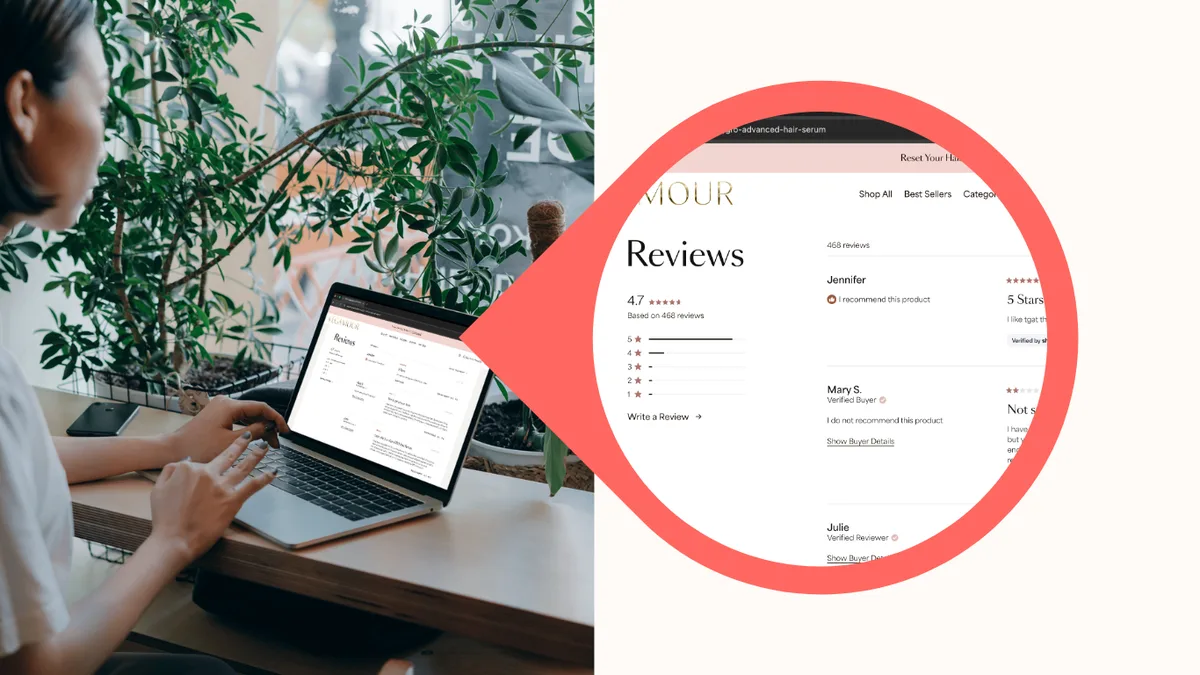
Display reviews and ratings prominently, show secure-checkout and payment badges where they can’t be missed, and keep “out of stock” pages alive by linking to similar items. Reviews also add the fresh, relevant content that search engines favor.
9. Close the loop with behavioral data
SEO shows which queries bring visitors; CRO reveals what they do next. Feed heatmaps and session recordings back into your content workflow to find friction and validate hypotheses with evidence, not assumptions.
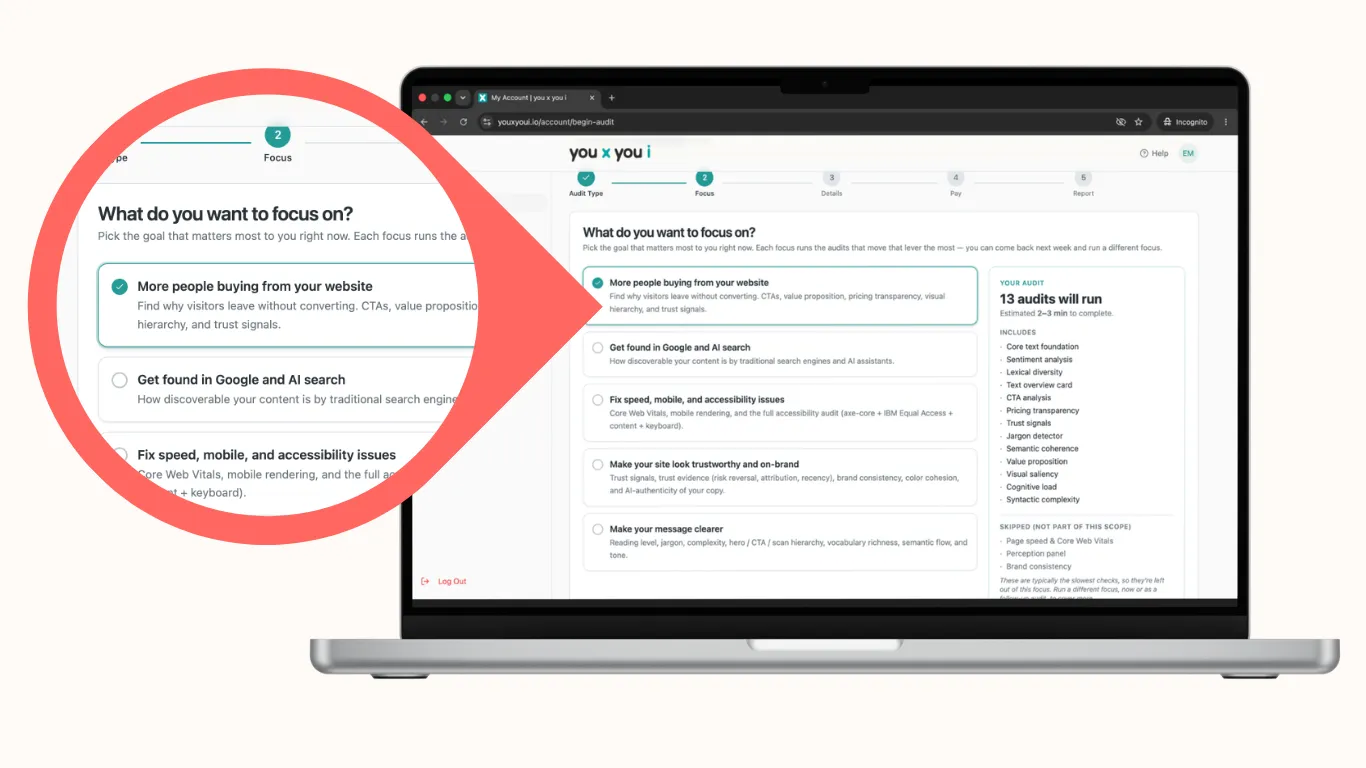
Run a you x you i audit on your top product page to see where visitors focus attention. Move your key messages or CTA to where they are noticed the most.
👉🏻 Start your audit (when prompted to choose your focus, select “More people buying from your website”).
Where to start
Don’t try all nine at once. Fix checkout and product-page uncertainty first (they’re the most common, highest-impact reasons conversion stays low), then work up-funnel to category and landing pages.
Not sure which fix will move the needle for your store? Run a site check-up, and we’ll show you exactly where your SEO traffic is leaking before it converts.